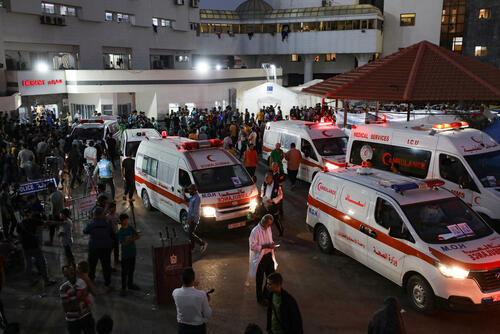
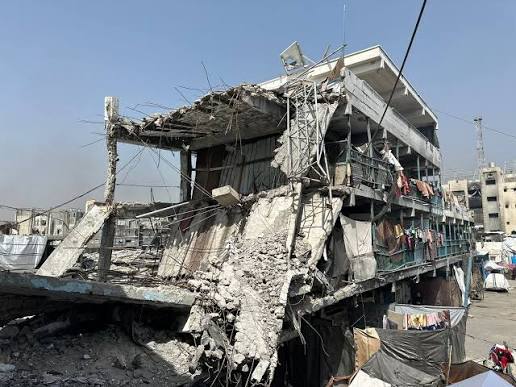
When the crisis in Gaza intensified, our team knew that immediate action was necessary. Hospitals were overwhelmed, medical supplies were running dangerously low, and families were trapped in areas where basic healthcare had nearly vanished. In response, Lifeline Khair Foundation mobilized an emergency medical relief mission designed to deliver critical supplies, support local health facilities, and provide direct care to those most affected. Over several intense weeks, our volunteers worked around the clock to turn donations into tangible help.
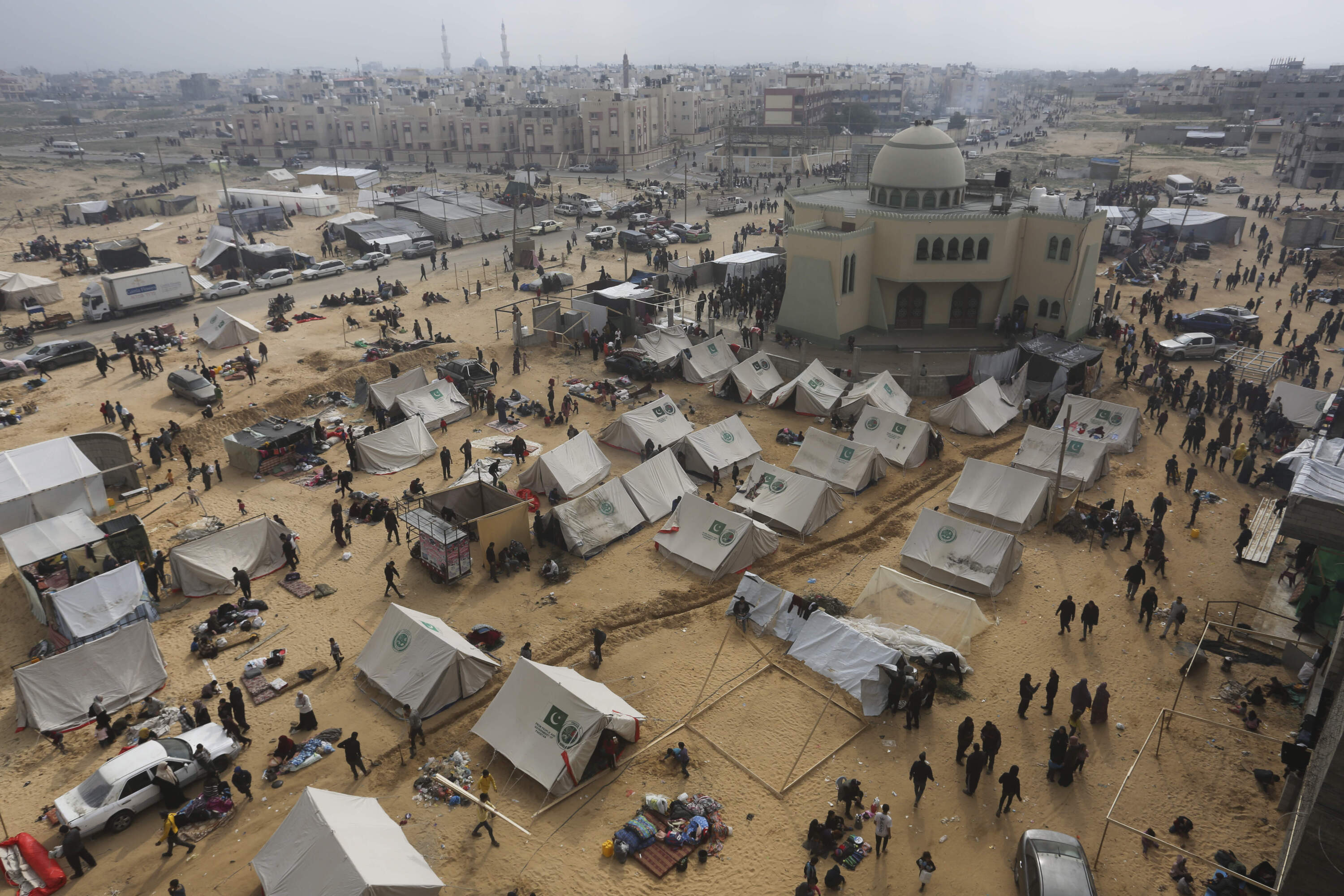
Gaza has faced prolonged humanitarian hardship, with healthcare infrastructure repeatedly damaged and medical imports severely restricted. Before our mission arrived, local hospitals reported shortages of antibiotics, anesthetics, wound dressings, and neonatal equipment. Power outages made it difficult to operate life-saving machines, and the constant threat of violence meant that medical staff were often working without rest. For displaced families living in shelters and temporary camps, access to even basic medical care had become a daily struggle.
The situation was compounded by a breakdown in supply chains. Many medicines that were already in short supply could not be replenished, forcing clinics to ration treatments. Doctors were performing surgeries with expired anesthetics and reusing single-use supplies simply because no alternatives were available. The psychological toll on both patients and healthcare workers was immense.
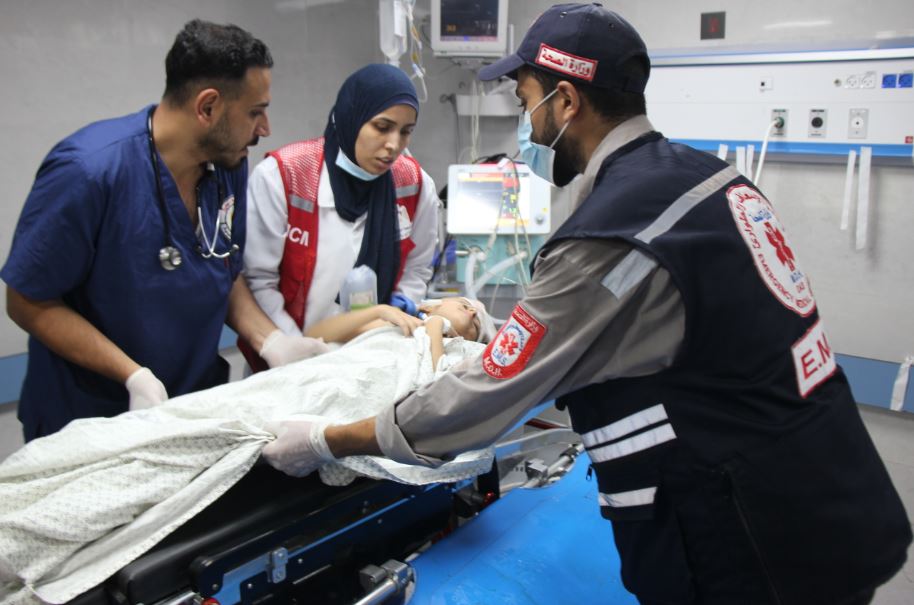
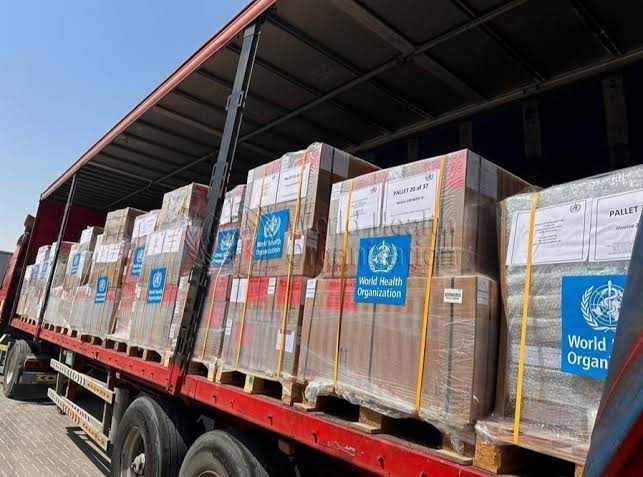
Within days of the escalation, our logistics team began coordinating with local partners, regional coordinators, and border authorities to move medical supplies into Gaza. The cargo included antibiotics, pain relievers, antiseptics, bandages, surgical gloves, pediatric medicines, and insulin. We also donated portable ultrasound machines, neonatal incubators, and oxygen concentrators to facilities that had lost access to such equipment.
Once inside Gaza, our team split into two units. The first focused on delivering supplies directly to hospitals and clinics in the most affected neighborhoods. The second set up mobile medical clinics in displaced-person camps, offering primary care, wound treatment, vaccinations, and maternal health services. Over the course of the mission, we treated more than four thousand patients and distributed enough medical supplies to sustain three hospitals for several weeks.
The process of delivering medical aid in a conflict zone is fraught with uncertainty. Our supply chain specialists had to account for damaged roads, unpredictable crossing times, and the need to store medicines at specific temperatures. We used refrigerated containers for vaccines and temperature-sensitive drugs, and we worked with local pharmacists to manage inventory once supplies arrived. Every mile of the journey required negotiation, patience, and a willingness to adapt to rapidly changing circumstances.
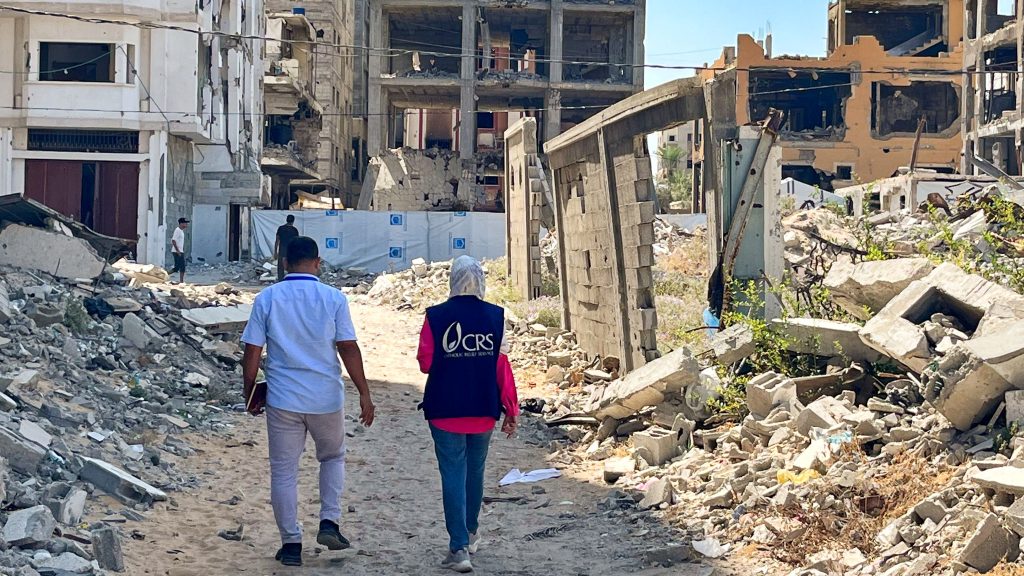
No emergency mission succeeds without trusted local partners. We collaborated with Palestinian medical associations, community health workers, and international NGOs already operating inside Gaza. These partners provided invaluable guidance on where needs were greatest, how to navigate local bureaucracy, and which communities required immediate outreach. Local volunteers played a critical role in distribution and translation, allowing our team to operate efficiently even in neighborhoods that were difficult to access.
Operating in a conflict zone presents challenges that are impossible to fully anticipate. Our team faced disrupted communications, sudden changes in security conditions, and limited access to fuel for generators and vehicles. At one point, a planned delivery was delayed for thirty-six hours because a crossing point was temporarily closed. During that delay, we rerouted smaller shipments to interim storage facilities and adjusted clinic schedules to ensure that no patient was turned away.
We also encountered emotional challenges that no training could fully prepare us for. Our doctors and nurses treated children with severe injuries, elderly patients with chronic diseases who had run out of medication, and mothers who had given birth in bomb shelters without proper medical support. The psychological burden on our team was heavy, and we arranged for debriefing sessions with mental health professionals both during and after the mission.
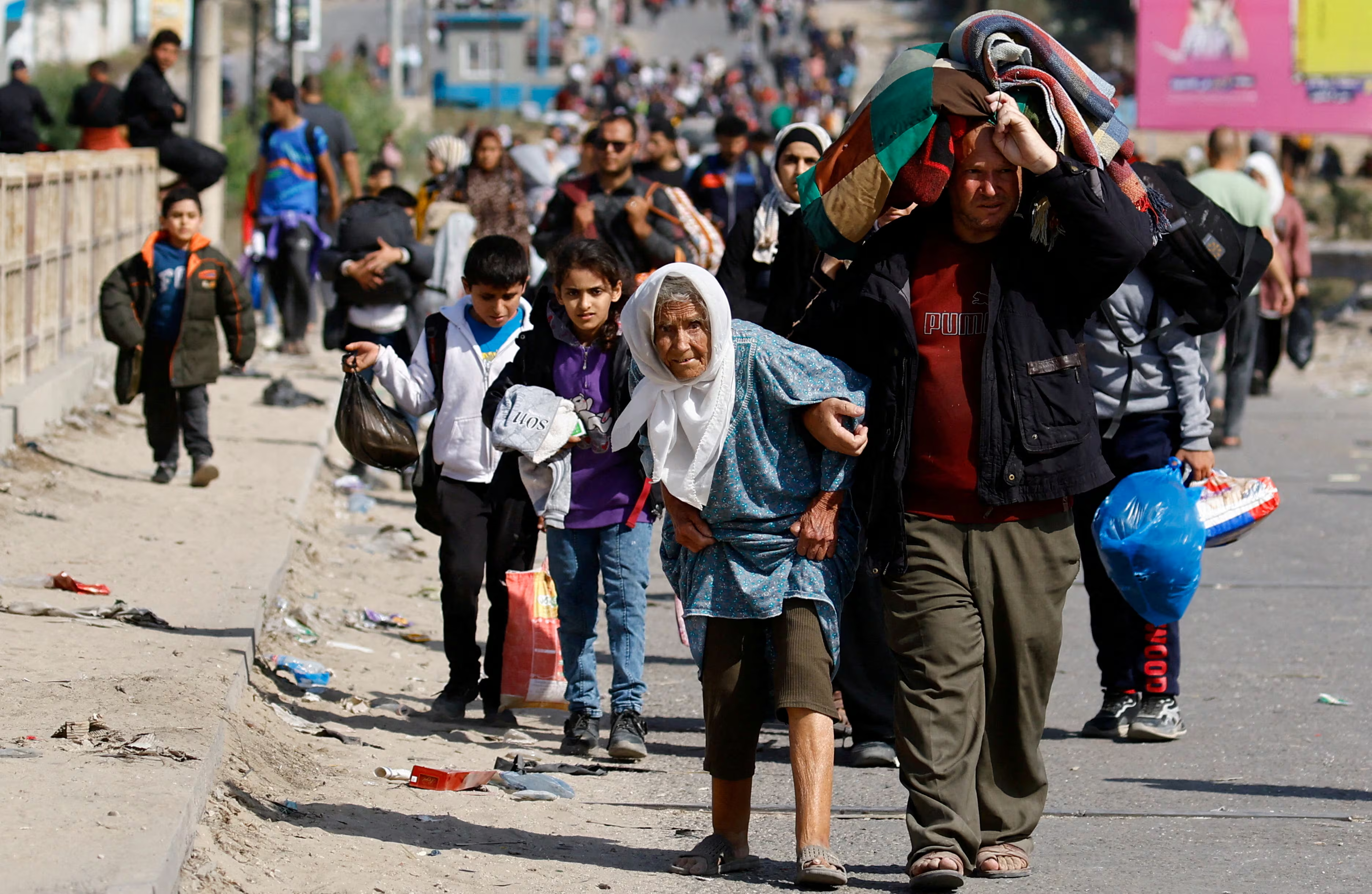
Behind every statistic is a human story. One of the most memorable moments of our mission occurred at a small clinic in the southern region, where a young girl with a severe leg infection was brought in by her grandmother. The clinic had run out of antibiotics, and the girl’s condition was worsening. Our medical team administered the necessary treatment and provided a two-week supply of medication to take home. Within days, the grandmother sent a message through our local partner saying that the girl was recovering and would soon be able to walk to school again.
Another profound experience took place at a hospital in Gaza City, where our team helped install a neonatal incubator donated through our emergency appeal. The machine was immediately put to use for a premature baby who had been struggling to survive without proper incubation. These moments of connection and gratitude sustained our volunteers through long days and difficult conditions.
Emergency missions are only the beginning. To create lasting change, we must continue supporting local health systems once the headlines fade. Our team has already begun planning a follow-up phase that will focus on training local healthcare workers, restocking essential medicines, and repairing damaged medical equipment. We are also advocating for longer-term international support to rebuild Gaza’s health infrastructure.
In addition to ongoing medical aid, we are launching a mental health program for trauma survivors, including children who have witnessed violence and families who have lost loved ones. Our psychologists will work alongside local counselors to provide group therapy, art therapy, and community support circles. Trauma does not heal quickly, and the need for mental health services in Gaza will persist for years.
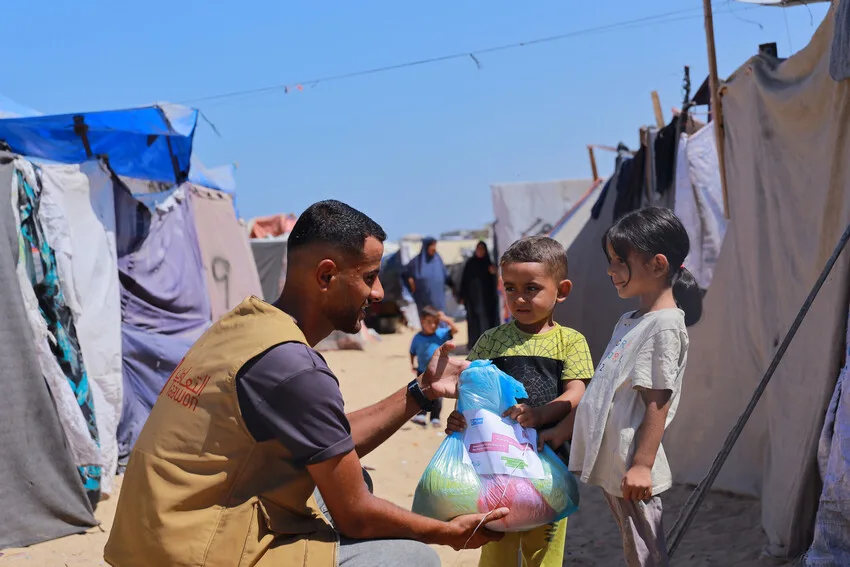
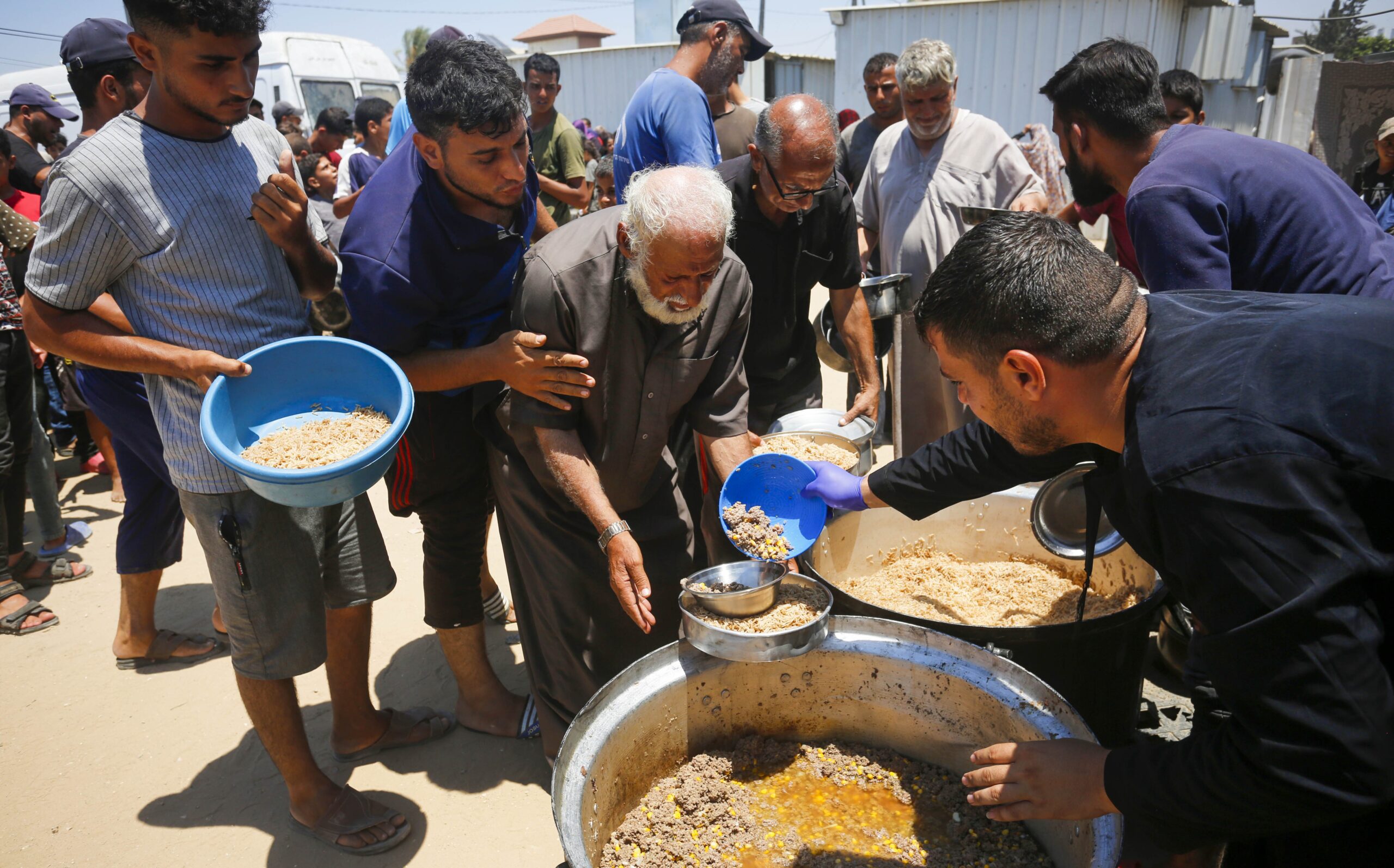
The situation in Gaza remains critical, and the need for continued humanitarian support has never been greater. Your donations directly fund medical supplies, mobile clinics, mental health programs, and the training of local health workers. Even a small contribution can provide essential medicines, protective equipment, or a meal for a displaced family. We encourage you to share this story, organize community fundraisers, and advocate for policies that protect civilians and ensure unimpeded access to humanitarian aid. Together, we can turn compassion into concrete action.